A 𝓿𝒾𝓇𝒶𝓁 online rumor alleging rapper Pooh Shiesty orchestrated the kidnapping and robbery of label head Gucci Mane to void a recording contract is being denounced as baseless and dangerous speculation by prominent voices in the hip-hop community. The explosive claim, which has spread rapidly across social media platforms, lacks any public evidence or official confirmation, raising serious concerns about the culture of unfounded accusation.
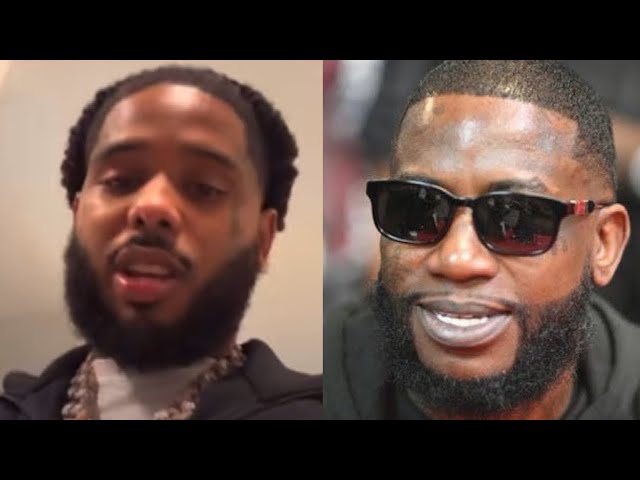 The story alleges a dramatic falling out between the two artists, suggesting Shiesty, recently released from federal prison, resorted to criminal coercion to gain his freedom from Gucci Mane’s 1017 Records. Commentators note the narrative escalated from whispers of a simple robbery to a detailed plot involving kidnapping for contractual leverage, all without substantiation.
Urban Politicians TV host Big Ed issued a forceful rebuttal, calling the storyline “complete BS” and a damaging product of armchair detective work. He criticized the trend of fans and commentators attempting to solve serious crimes from their phones, constructing narratives from rumors and presenting them as fact, a pattern he has observed for years.
“This is what hip hop and the culture has become,” he stated, referencing past unfounded theories surrounding the murders of XXXTentacion, PnB Rock, and Young Dolph. He emphasized the gravity of the specific 𝒶𝓁𝓁𝑒𝑔𝒶𝓉𝒾𝓸𝓃𝓈, noting a kidnapping conviction could carry a minimum of 15 years, especially for someone like Shiesty with a prior federal record.
The commentator questioned the logic of the rumor, arguing that an artist with Shiesty’s recent chart success and financial opportunity would not risk his freedom in such a brazen and illogical manner. He pointed out that kidnapping a label CEO would not legally void a contract and would likely result in greater legal entanglements.
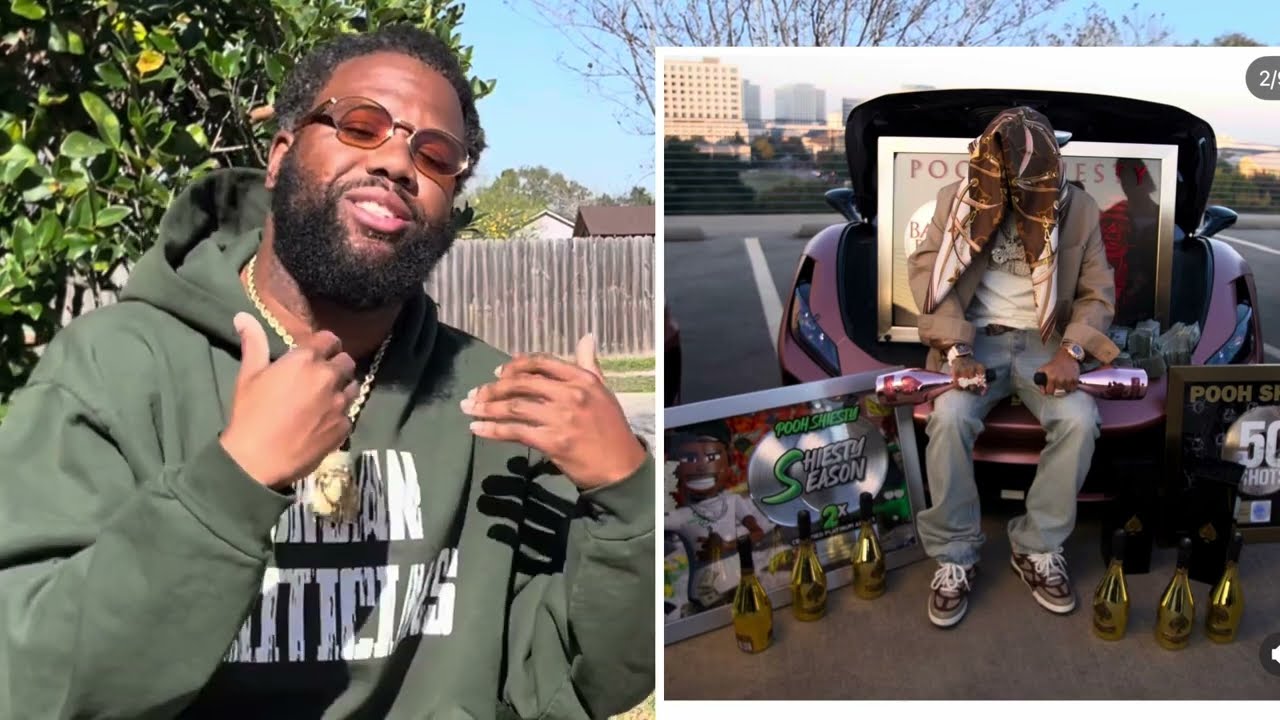 “Where’s the proof at? Who wants to be connected and tied to a robbery and be a part of a plot and scheme on the internet?” he challenged. While acknowledging that any person, regardless of stature, can be a victim of crime, he insisted the specific connection to Shiesty remains entirely unproven.
Public activity from the involved parties has not corroborated the 𝓿𝒾𝓇𝒶𝓁 tale. Pooh Shiesty has maintained a social media presence focused on fitness and music following his release from prison. His recent post-prison demeanor has been described by observers as more business-oriented and strategically minded, further contradicting the alleged reckless plot.
Gucci Mane has not publicly commented on any kidnapping or robbery incident. While he has removed old posts related to Shiesty, a common social media action that often fuels speculation, it falls far short of evidence for a felony conspiracy. No police reports, legal documents, or statements from representatives have surfaced to validate the core 𝒶𝓁𝓁𝑒𝑔𝒶𝓉𝒾𝓸𝓃𝓈.
The situation highlights a recurring issue in digital media, where the line between entertainment gossip and serious criminal allegation is frequently blurred. The “allegedly” shield is often used to spread potentially libelous information, damaging reputations based purely on sensationalism.
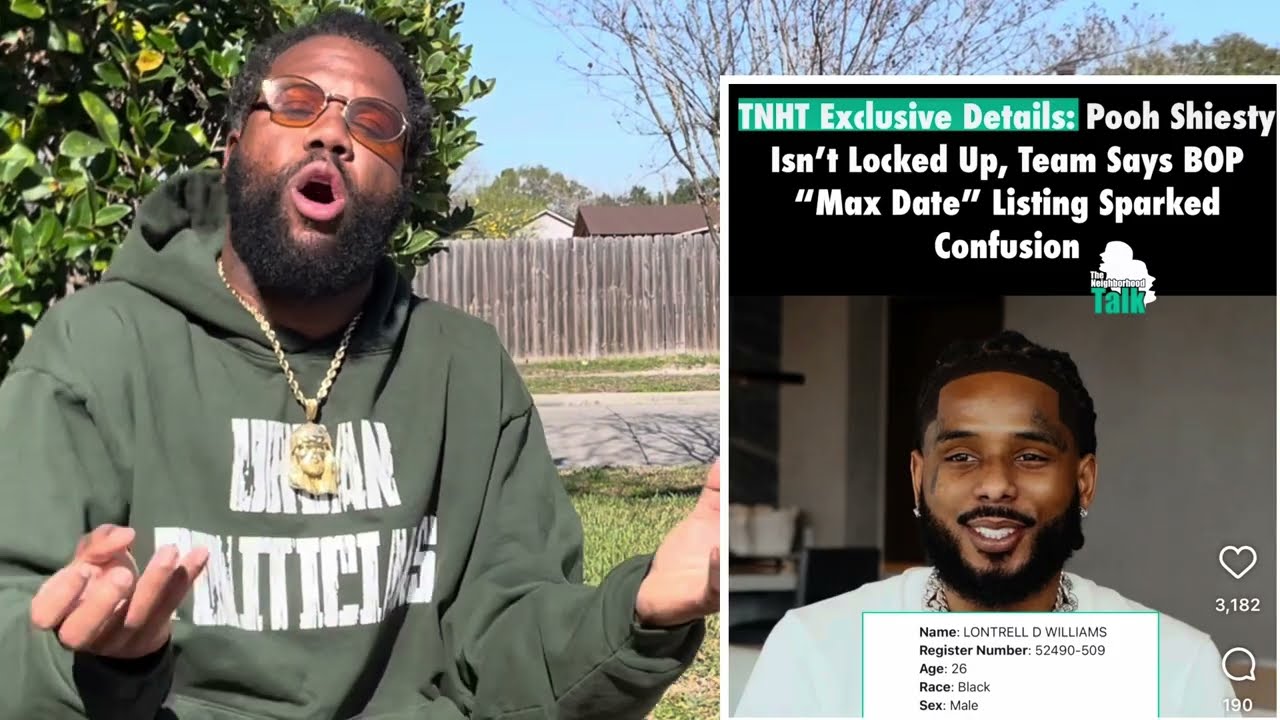
This ecosystem thrives on engagement, where the most dramatic narrative often gains the most traction regardless of veracity. The pressure to break news or offer exclusive “street” insight can lead to the amplification of unchecked rumors, which then take on a life of their own.
For the artists involved, the consequences are tangible. Such rumors can inflame real-world tensions, attract unwanted law enforcement scrutiny, and damage professional relationships and brand partnerships. The stigma of being associated with a felony plot can have lasting career implications.
The call from within the community is for patience and evidential rigor. “Let the facts play out,” Big Ed urged his audience, advising against jumping to conclusions. He encouraged supporters to demand proof before believing such serious claims, asking if they would bet their last dollar on the story’s truth.
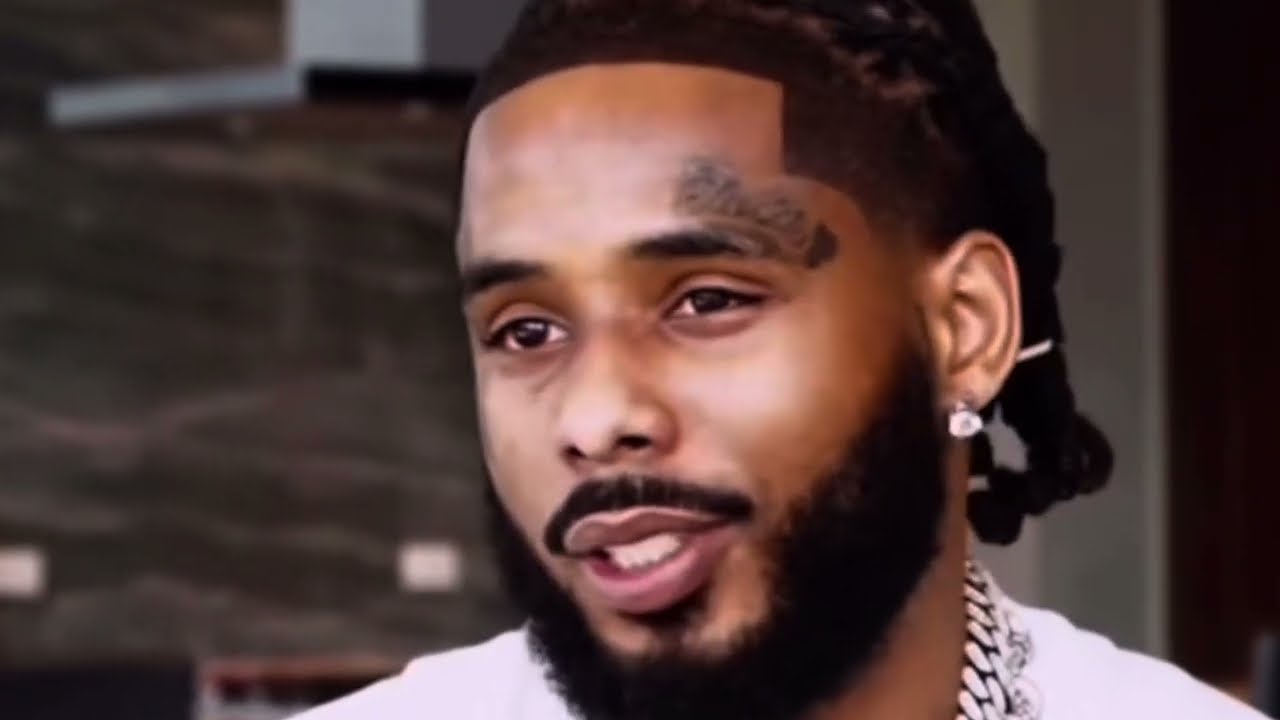 The burden of proof, he argued, lies with those propagating the narrative. Until any party with direct knowledge comes forward with confirmation, the story remains in the realm of harmful fiction. The expectation is that responsible media consumers and creators should resist the urge to complete a story with conjecture.
As the rumor cycle continues, the focus shifts to the real-world impact on Pooh Shiesty’s ongoing reintegration and career momentum. With new music gaining traction, the distraction of disproving a negative presents an unfair hurdle. The industry now watches to see if the unfounded claims dissipate or if they trigger further unintended consequences.
The incident serves as a stark reminder of the power and peril of online narratives. In an age where information travels at light speed, the mechanisms for verification and accountability often lag dangerously behind, leaving reputations vulnerable to the whims of the digital mob. The integrity of hip-hop journalism, from major outlets to independent platforms, is tested by these moments.
Ultimately, the silence from official channels speaks volumes. In the absence of charges, investigations, or credible firsthand accounts, the kidnapping and robbery allegation stands as a cautionary tale about the modern gossip mill. The hope from advocates is that this episode prompts more critical consumption of information before it is shared and weaponized.
The culture’s health depends on distinguishing between legitimate news and manufactured 𝒹𝓇𝒶𝓂𝒶. Allowing serious felonious accusations to be treated as mere entertainment content undermines the very real legal and personal stakes for the individuals involved. The path forward requires a collective commitment to truth over trending topics.